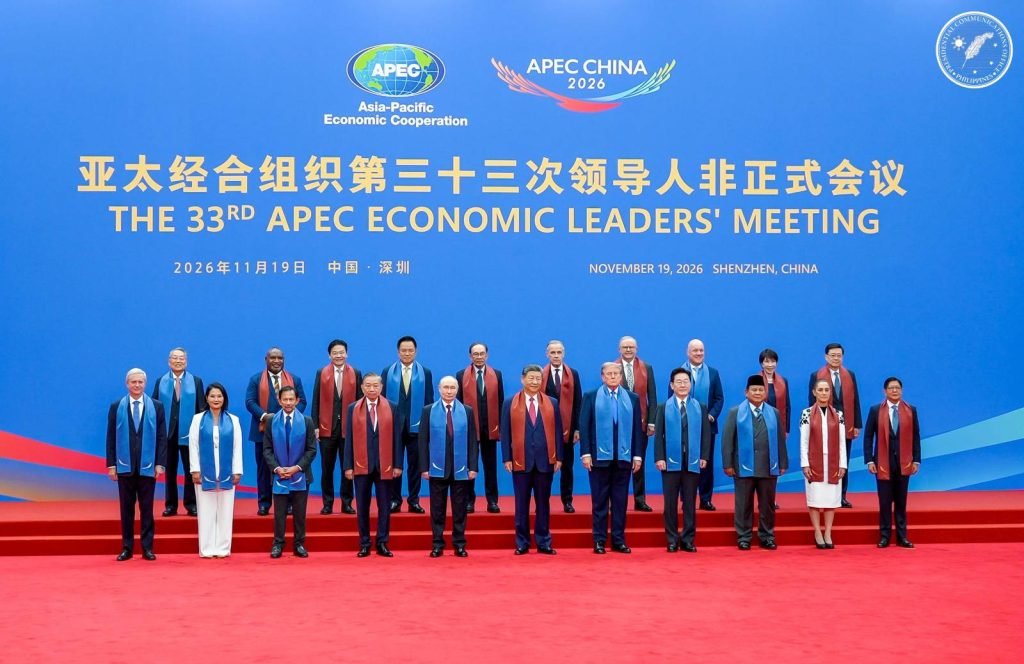
Philippine President Ferdinand R. Marcos Jr. pointed to bilateral engagements with Chile, Mexico, and Peru—alongside meetings with Chinese enterprises—as key avenues for expanding trade and investment after the November 18–20 Asia-Pacific Economic Cooperation (APEC) summit in Shenzhen, China. Speaking to reporters covering the three-day gathering, he pledged to convert the diplomatic outreach into tangible economic gains for the Philippines.
Following the close of the Shenzhen meetings, Marcos emphasized that targeted bilateral talks allow leaders to connect with counterparts who are harder to reach through routine diplomatic channels. Unlike regional gatherings within the Association of Southeast Asian Nations (ASEAN), where geographic proximity makes frequent contact straightforward, summits like APEC create openings to engage partners across the Pacific.
In business discussions held during the trip, Marcos reported strong interest from Chinese firms. Companies already operating in the Philippines signaled plans to scale up their presence, while others without local footprints expressed interest in establishing new operations in the country. Marcos also noted that formal leader roundtables largely serve as statements of intent built on prior groundwork by officials, making side meetings essential for moving initiatives forward.
The Shenzhen trip came immediately after Manila wrapped up its hosting of the 49th ASEAN Summit on November 17. A founding member of APEC, the Philippines conducts the overwhelming share of its international commercial and economic exchanges across the bloc’s 21 member economies, underscoring the commercial stakes of turning multilateral summits into concrete trade deals.
For Southeast Asian economies navigating shifting supply chains and tariffs, pairing established regional ties with outreach to Pacific Alliance and broader Asia-Pacific markets reflects a push to diversify export destinations and attract cross-border investment. Translating summit pledges into actual capital inflows and market access will depend on follow-through by trade agencies and private-sector partners once leaders return home.
Sources: Philippine Information Agency